Photography
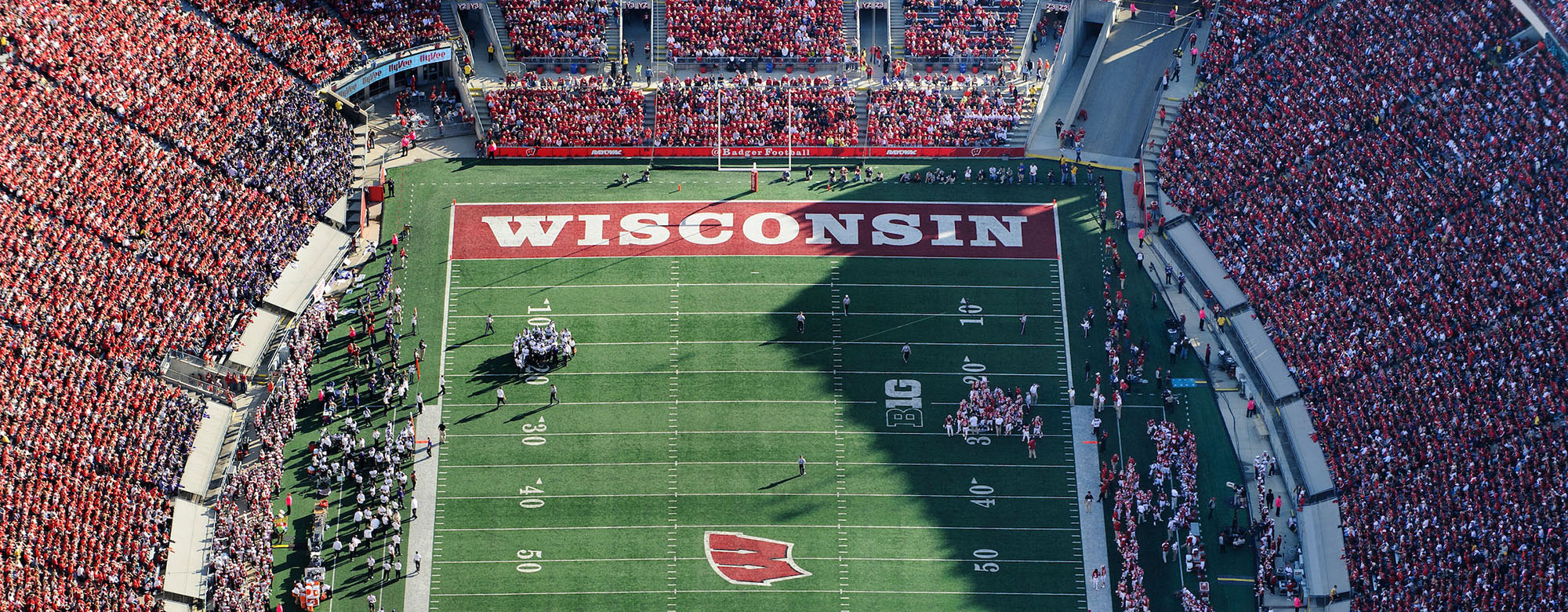
Photography is a critical tool for capturing the spirit of UW–Madison and the unparalleled atmosphere on campus. Words and visuals should work together to tell our story and to evoke strong feelings of pride, nostalgia, and affiliation.


Establish style and tone in your photography
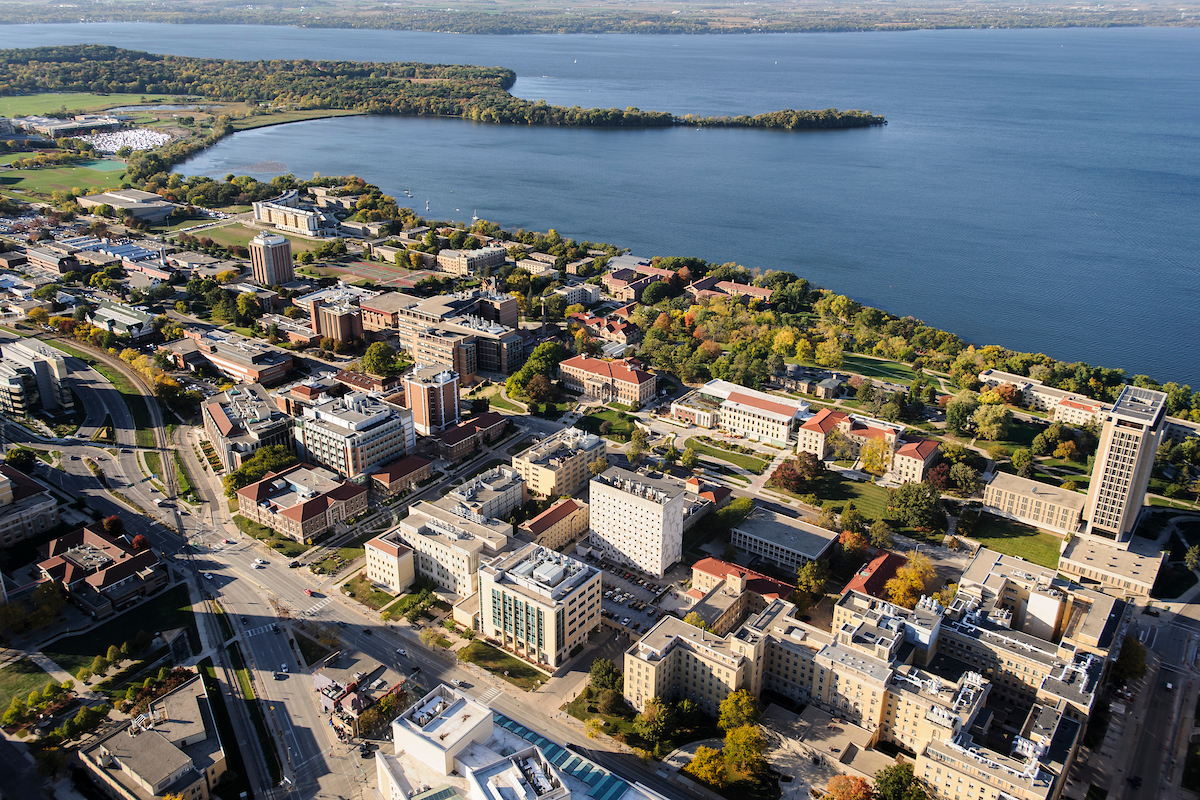
Our visuals should be as authentic, vibrant, and active as our campus. Focus on capturing genuine moments, natural light, and meaningful settings that tell honest stories and showcase our true identity.

Authentic and candid
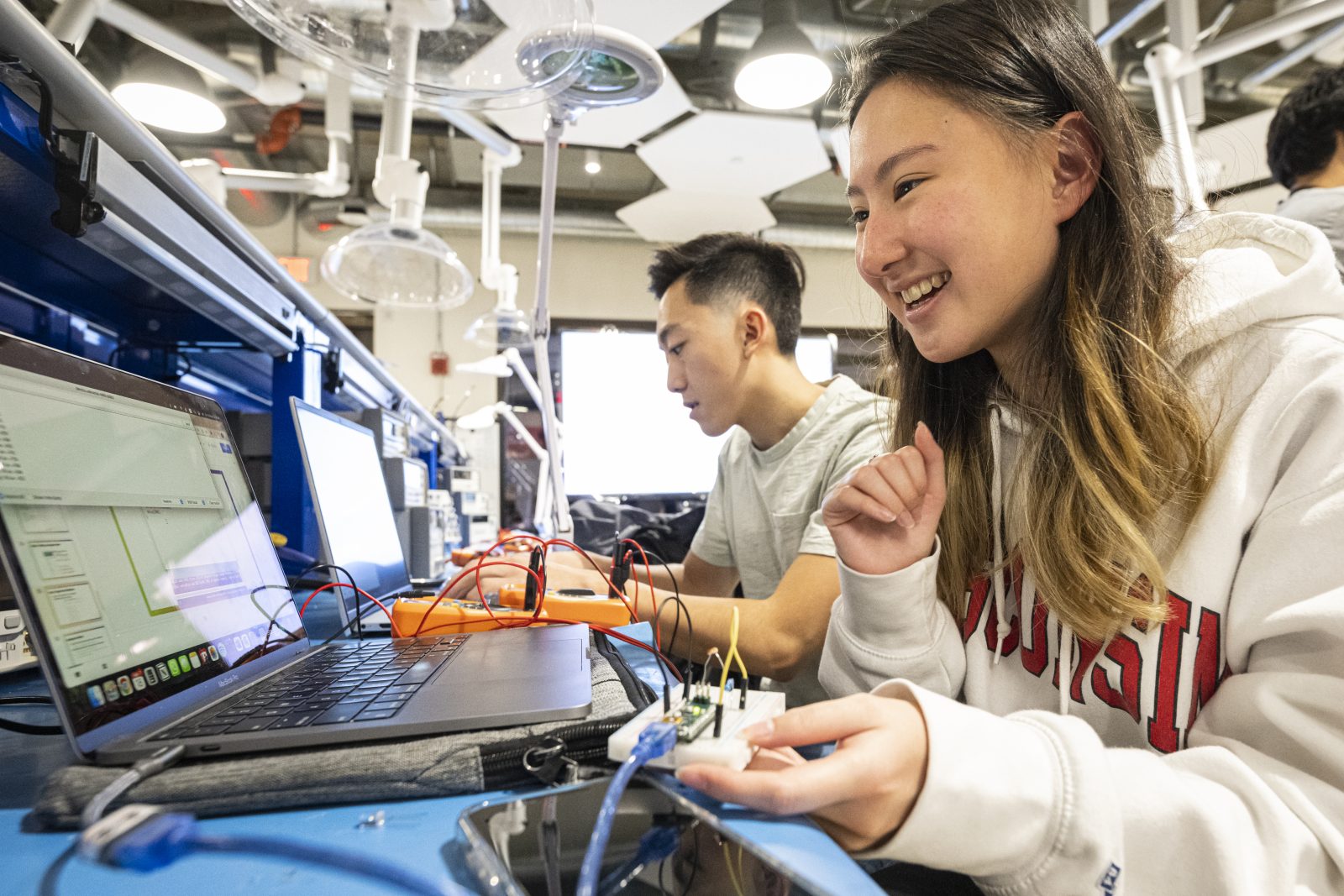
When possible, prioritize natural, unscripted moments that tell real stories. If a photo is composed, create a genuine and realistic scenario that generates candid moments with an authentic feel.
Bright and optimistic
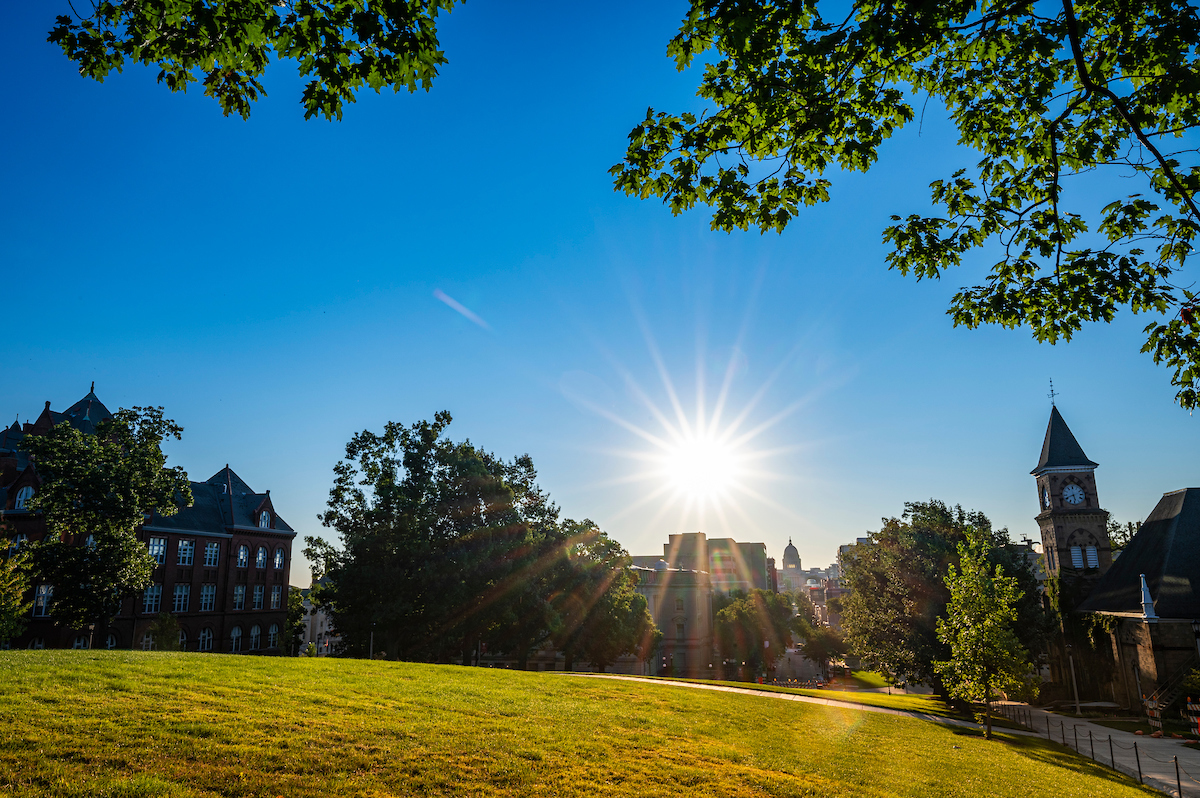
Favor well-lit compositions with a positive, forward-looking mood. Use natural light sources, including backlighting, to create a feeling of warmth. If supplemental lighting is needed, it should add to or mimic natural lighting.
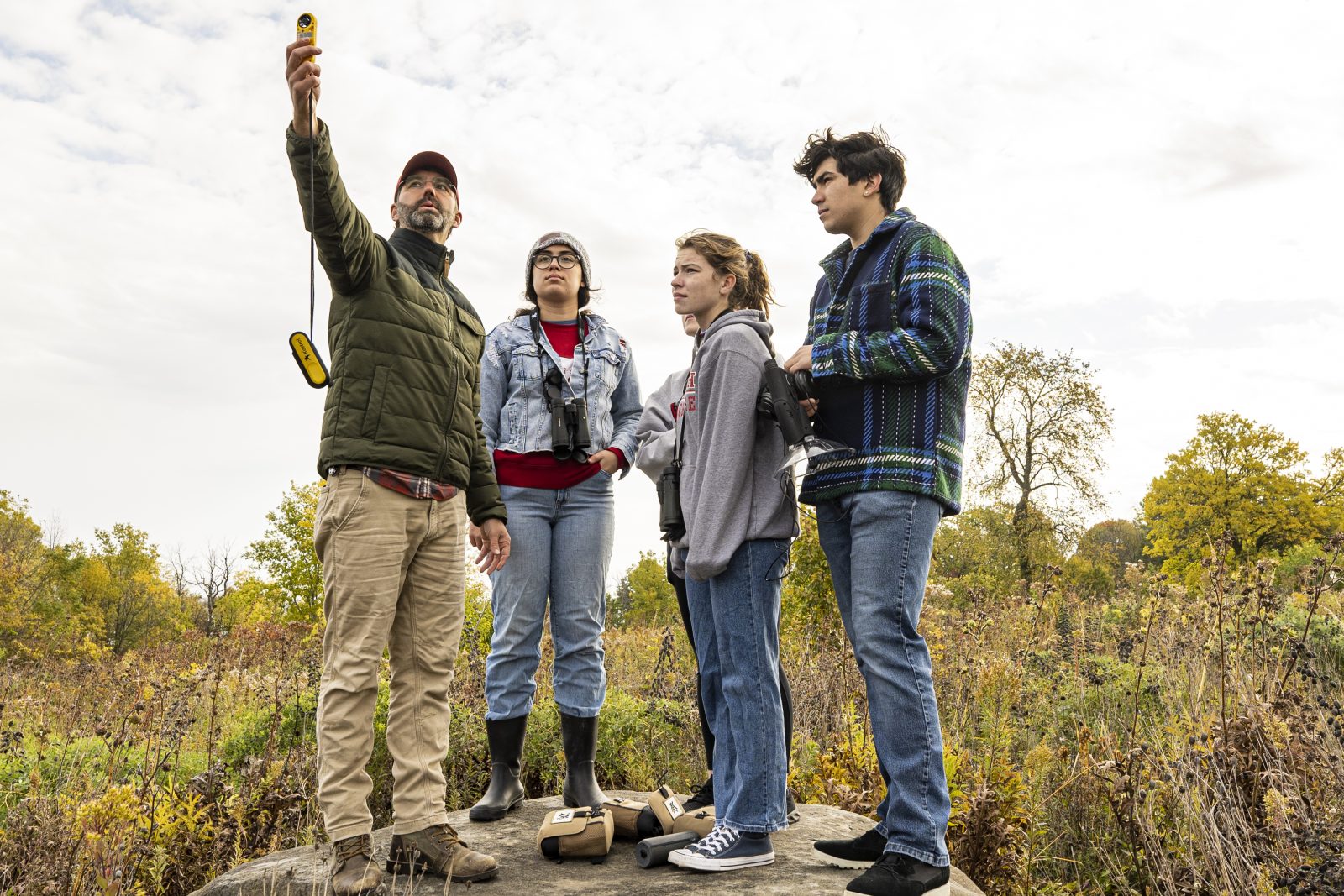
Contextual
Photograph subjects in their natural environment to reinforce storytelling elements. Use campus architecture, clothing, and landmarks to subtly reinforce brand identity in visuals.
Compose each image with intention
Use framing, depth, and clean backgrounds to direct the viewer’s eye and build clear, compelling stories that make layouts shine.

Rule of thirds
Use balanced framing that guides the eye, and consider leaving open areas in the frame for incorporating text overlays in design layouts.

Depth and perspective
Use depth of field intentionally to distinguish subjects from distracting background elements when needed. Be mindful of the foreground, middle ground, and background, and control them to create dynamic images.
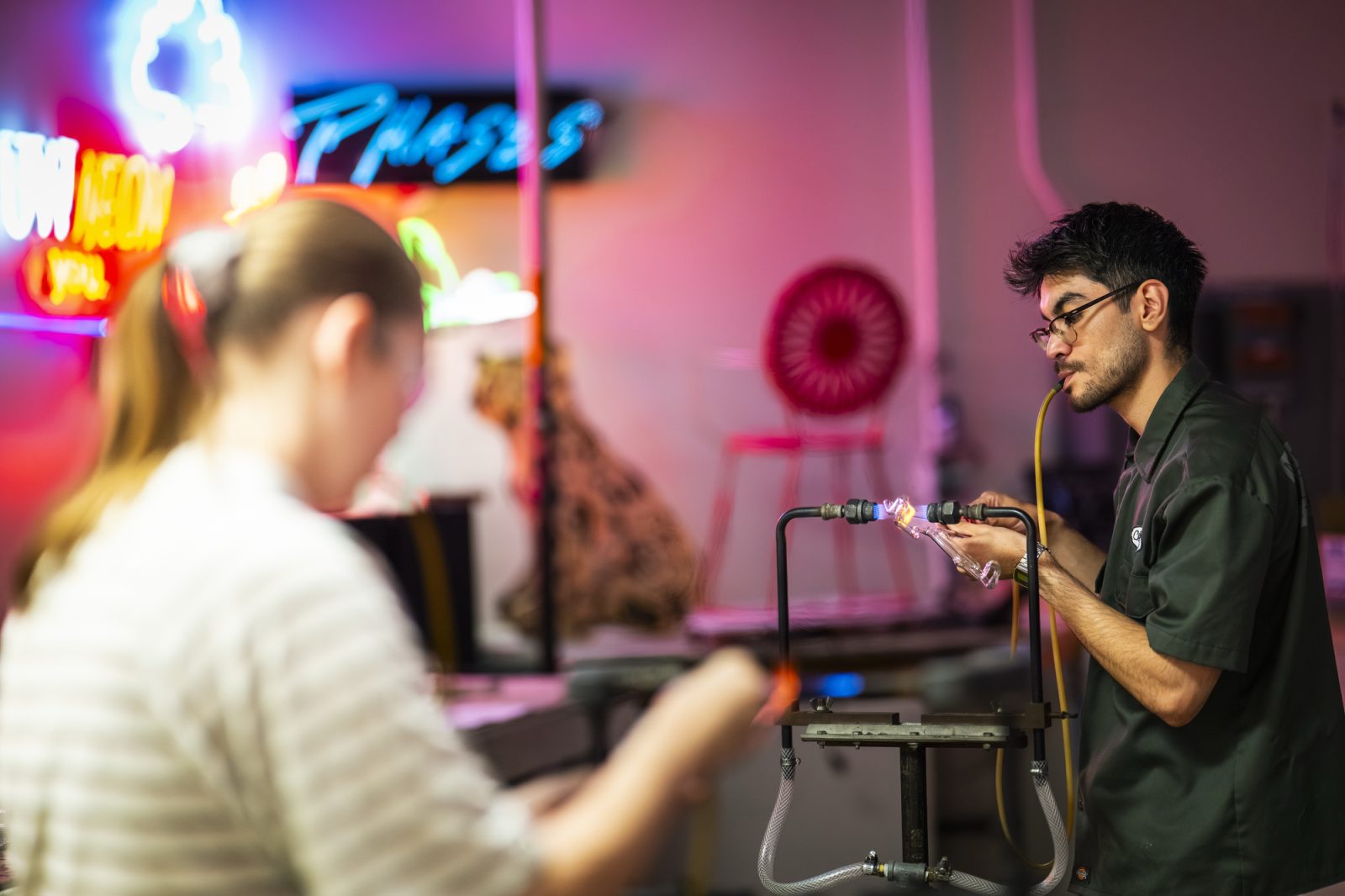
Focus and clarity
Keep the subject sharp with a clean, uncluttered background.
Ensure accuracy when editing
Photo editing
Technology has made it easy to alter photographs. People can use computer programs to remove, add, or move elements in a photograph without detection. Although some of these alterations may seem harmless, when communicators cross the line of changing content, they jeopardize their readers’ trust. A photograph is perceived as an accurate recording of an event.
- A photo’s content—the positions and appearance of people and objects—shouldn’t be manipulated.
- Alteration of a photograph that misleads, confuses, or otherwise misrepresents its accuracy is prohibited.
- Enhancing the technical quality of a photograph is acceptable, but changing the meaning is not.
Review the Use of Visuals policy and Use of imagery guidance for more specific guidelines. When a question arises, consult the Office of Strategic Communication staff.
Acceptable examples
- Electronic equivalents of established practices for traditional darkroom printing methods—lightening, darkening, toning, and cropping, for example—as long as the content and meaning aren’t changed.
- Color and tonal correction are needed to ensure the accurate reproduction of the original photograph.
- To achieve better reproduction, technical touch-up of images for color-balancing or removing flaws (such as dust spots, scratches, digital noise, artifacts, etc.).
- Routine cropping is not considered to be an alteration. However, there is a possibility of changing reader perception with creative cropping. When cropping, keep the modified version accurate to the intent of the original photo.
- Conversion of a color image to black and white.
Not acceptable examples
- Content alteration—moving, adding, deleting, combining, stretching, flipping, shrinking, or any other adjustment that would misrepresent the image’s original context.
- Alteration of someone’s physical identity.
Photo collections
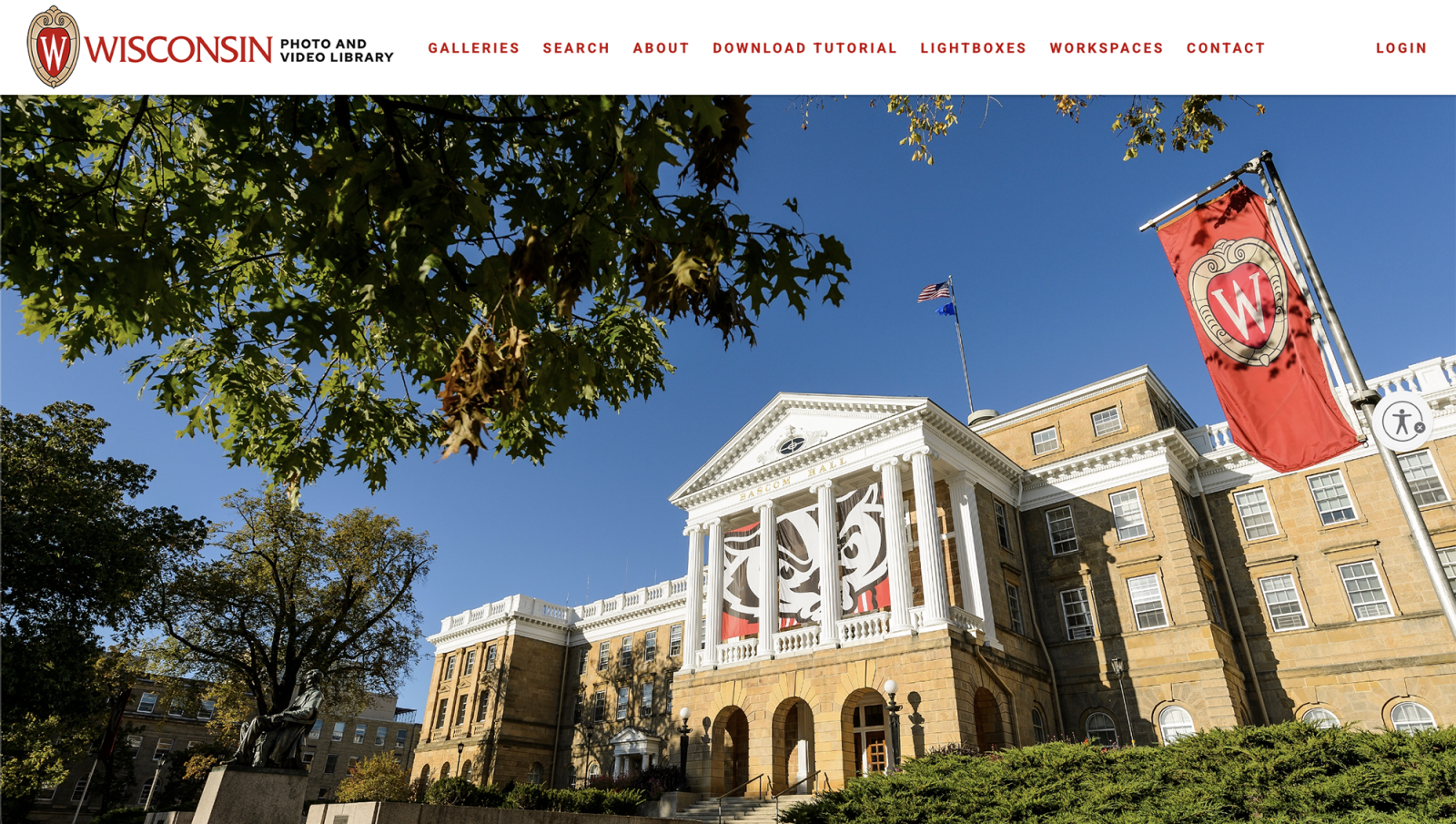
UW Photo and Video Library
The Office of Strategic Communication photographers create and curate thousands of campus images each year, with both timely editorial and lasting promotional uses in mind. More than 20,000 high-resolution photos, with caption context and credits, are available to campus units for free download on the UW Photo and Video Library.
Note: Much of the content in the library is created in an editorial context, so model releases are not available for many of the images in the collection. These images should not be used for marketing purposes without obtaining permission from any individuals depicted in an image.
Our office is expanding its efforts to create marketing-focused content that includes model releases for the people depicted. Those specific images are available in a dedicated Brand- and Marketing-Focused Gallery in the UW Photo and Video Library, which can be accessed directly here: Brand and Marketing-Focused Photos
Policies and guides
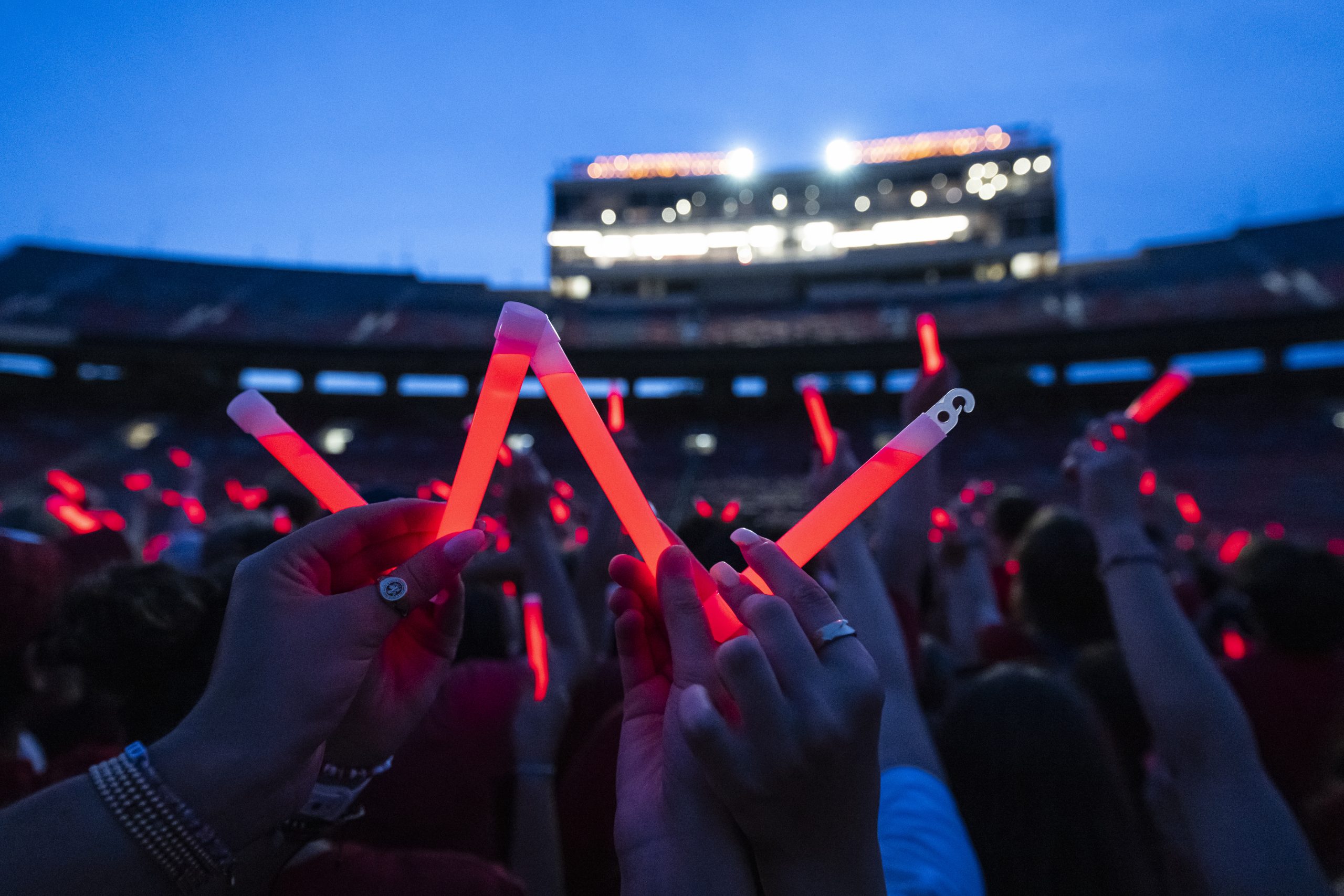
Use of visuals policy
The policy outlines standards for creating and using videography, photography, and other visuals for marketing and communications.
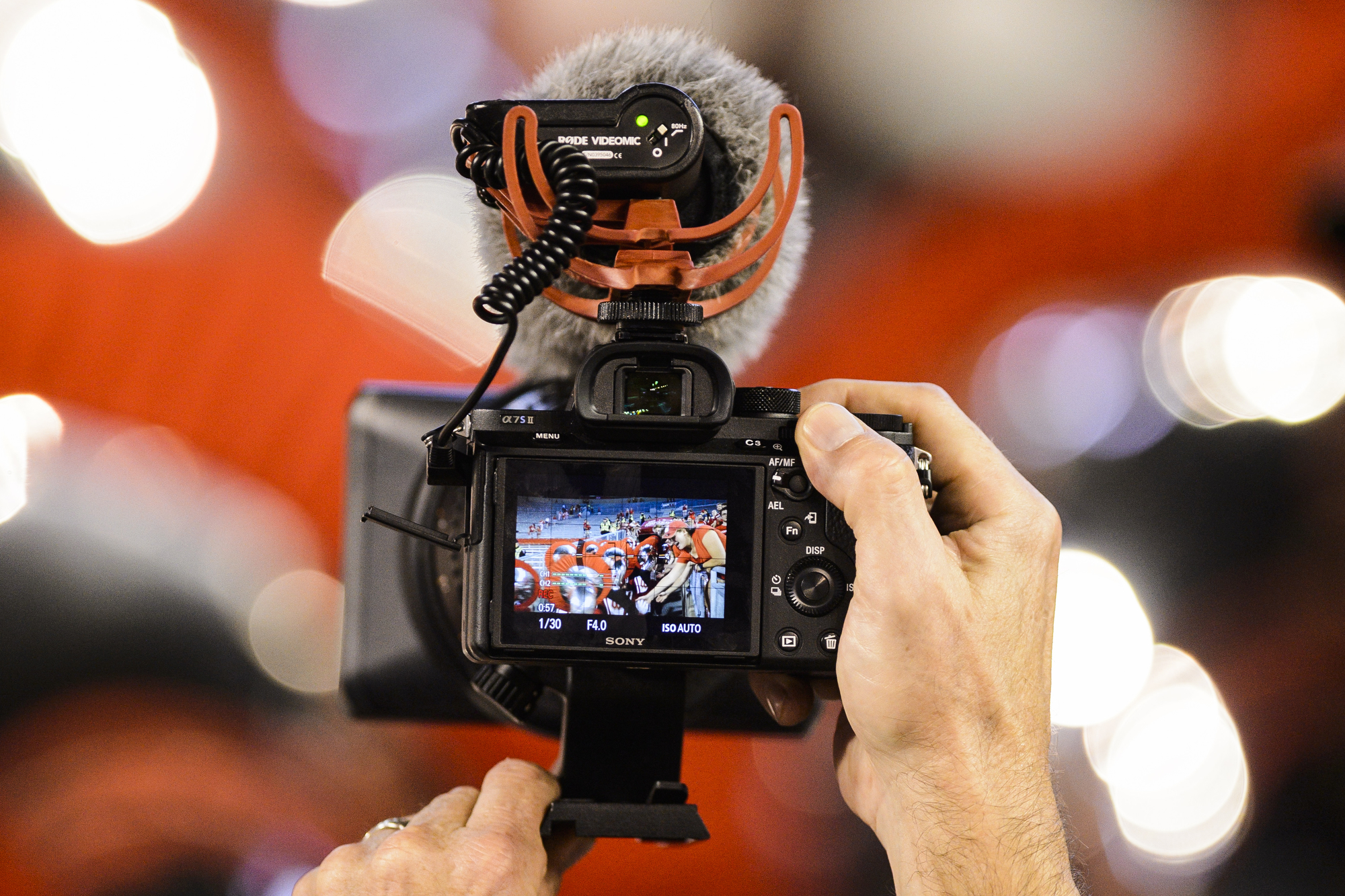
Photography-for-hire
Approved vendors, including freelance and work-for-hire photography, as well as campus services are available. Explore fee-based options.

Use of imagery guidance
The guide offers best practices when creating photo and video for a variety of uses.