Case Study
The Invisible Brand: UW–Madison Commencement
How early strategy, smart design, and a very good plan help thousands of people find their way through commencement
Everyone knows university events — especially ones as big as commencement — are the result of a lot of expert work.
But here’s a little secret we insiders know well: when the branding works, nobody stops to admire the system. They simply know where to go, what to do, and what applies to them. In fact, if you do the work right, it disappears.
So let’s pull back the curtain, shall we? This is the Invisible Brand: UW–Madison Commencement.
The challenges
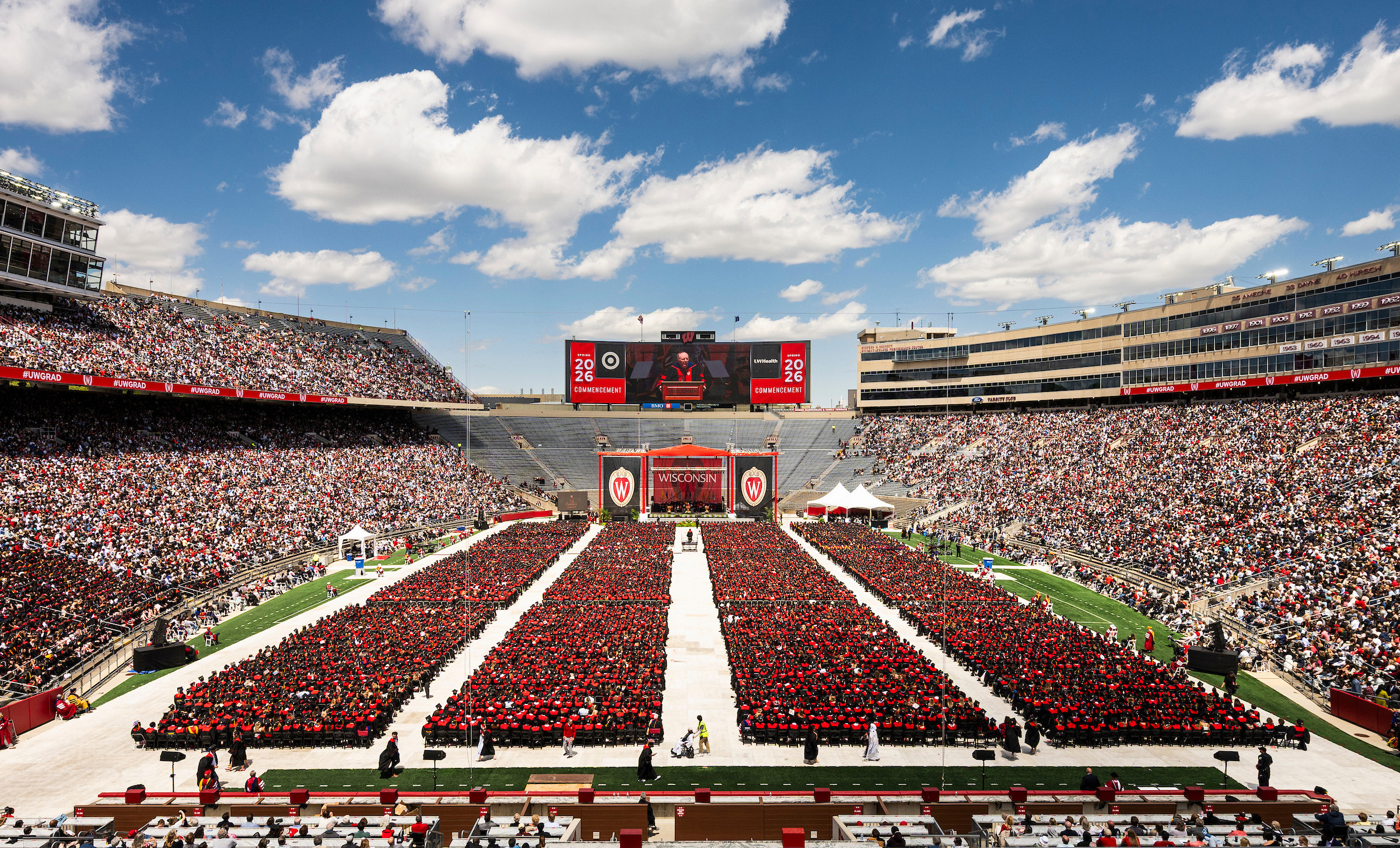
Commencement is one of the biggest days in a graduate’s life. It is also a sprawling marcomm challenge involving thousands of graduates and guests, multiple schools and colleges, an enormous venue, campus construction, complicated logistics, and a schedule that could change right up until the moment the tassels turn.
That’s why brand strategy matters. At commencement, the brand is not a layer of polish added after the hard problems are solved. It is part of how we solve them.

Winning attention
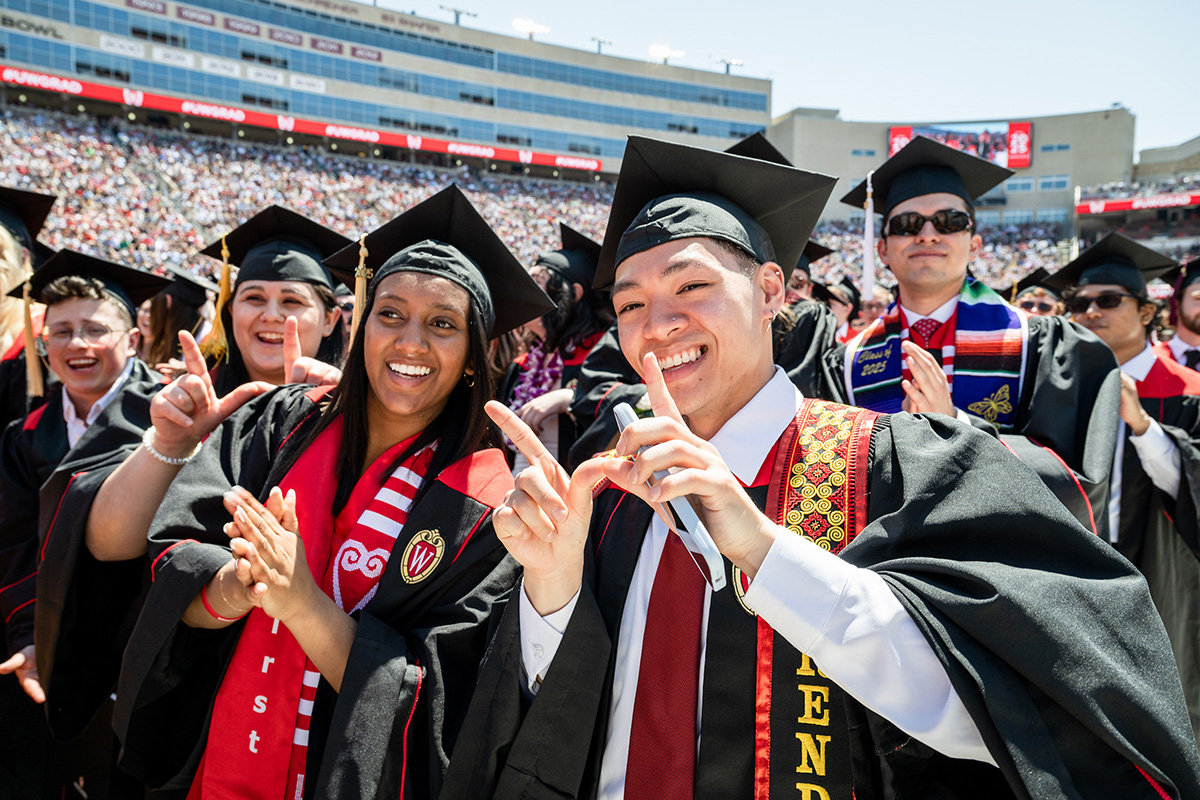
Graduates receive information before, during, and after the event, while also finishing classes, navigating construction, planning celebrations, and preparing for their futures. Long, dense messages don’t stand a chance in that ecosystem. The framework had to make essential information easy to recognize and quick to absorb.

Creating one coherent experience
Commencement involves many communicators, designers, event staff, and campus partners. Each person owns one leg of a marathon relay. Without a shared system, the pieces can drift apart. Before you know it, an email looks unrelated to a sign, a late addition invents its own style, and audiences have to work harder to decide what belongs to the event.

Planning for the last minute
There will always be a late change, a new need or a sign nobody knew was necessary until somebody needs it — immediately. The goal was not to pretend surprises could be eliminated. It was to build a system strong and flexible enough to be ready for them.

Giving the moment its due
For the university, commencement is a recurring event. For each graduate and family, it is the event. The experience needs clarity and efficiency, but it also needs weight, warmth, and unmistakable Badger personality. Milestones deserve milestone treatment.
The approach
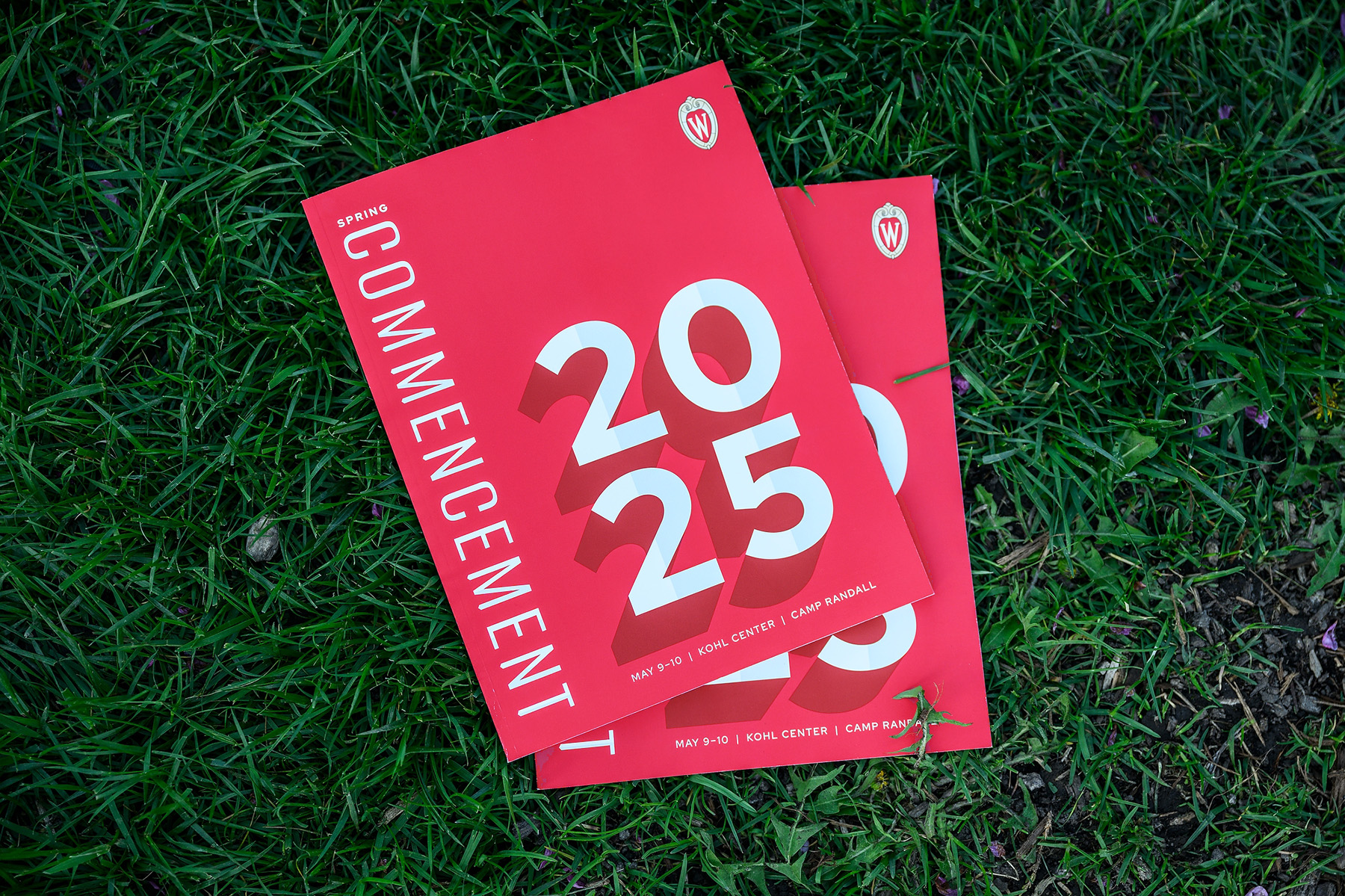
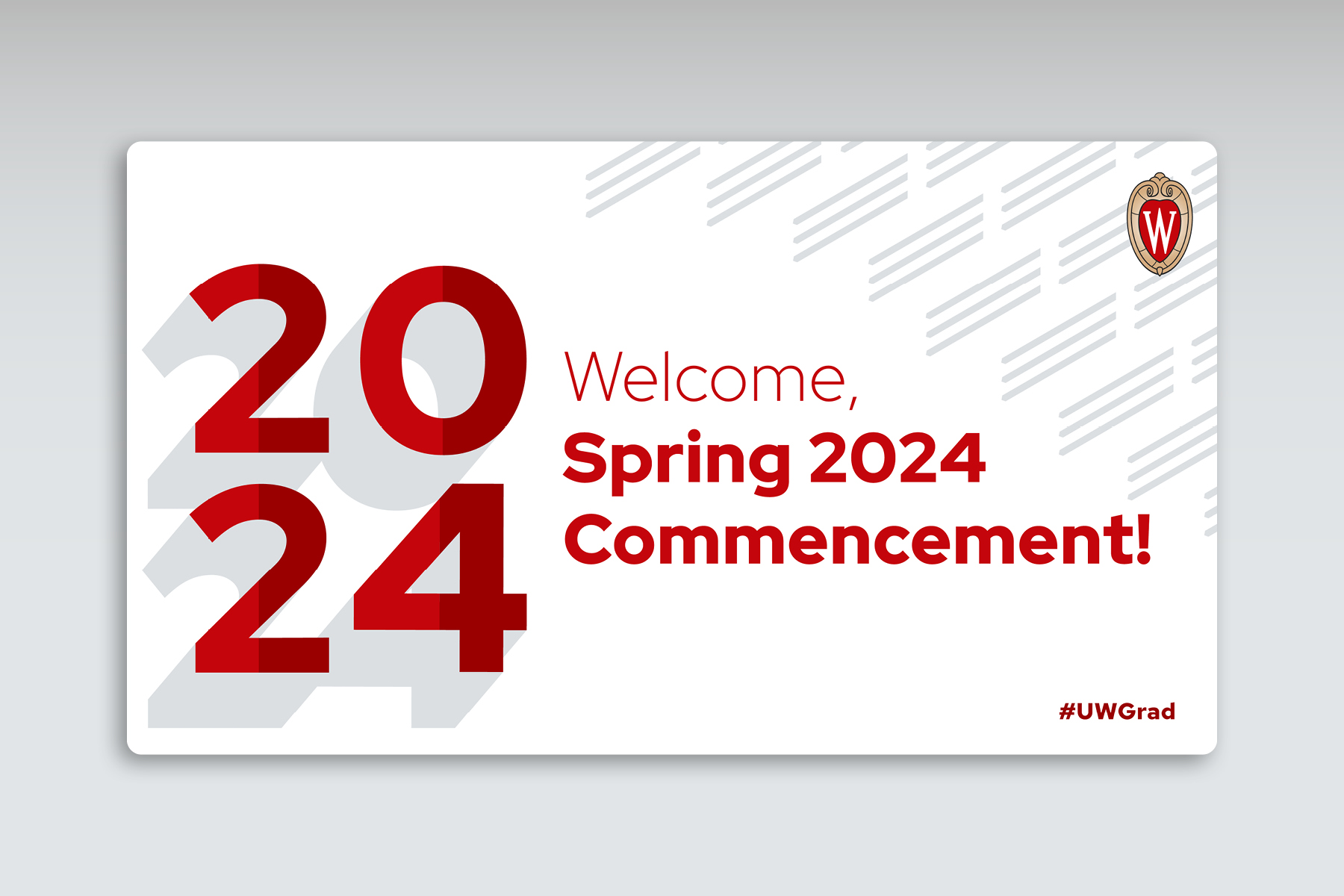
We treated university-wide commencement as a distinct communication experience within the broader UW–Madison brand. A dedicated visual and messaging system gave audiences a reliable signal: if it looks and sounds like this, it’s about Commencement.
That distinction is all about recognition. The familiar visual language helped graduates and guests identify official information, connect communications across channels, and find what applied to them in a fast-moving environment.
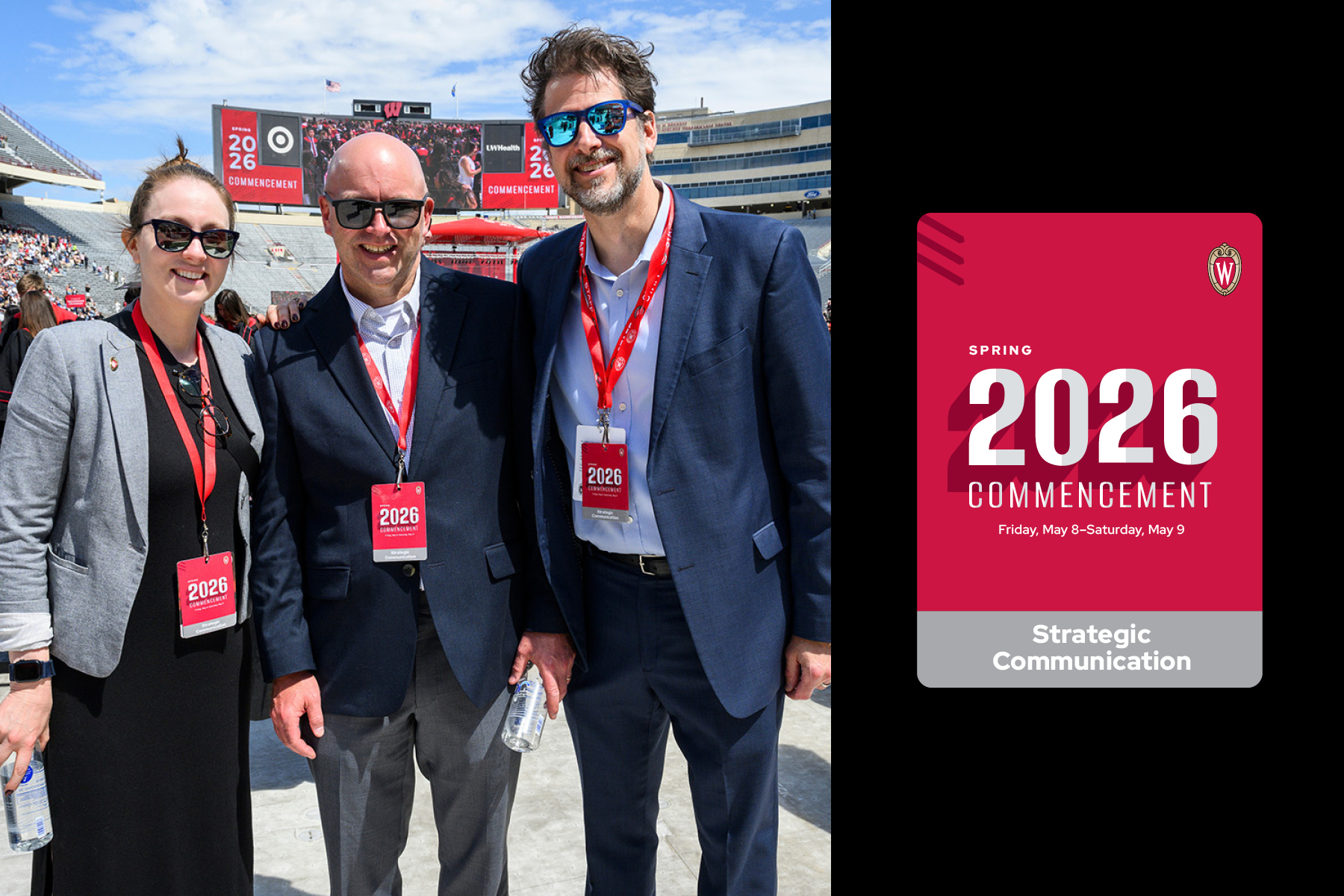
Behind the scenes, the system also gave a large internal team a shared operating language. A central project plan made the whole effort visible. An internal toolkit supplied approved elements and templates for common needs. Together, they reduced the learning curve, sped up production, and lowered the odds that a frantic last-minute request would produce something wildly off-brand. Nobody needs an experimental font moment at Gate 2.

The system at work
Messages built for scanning
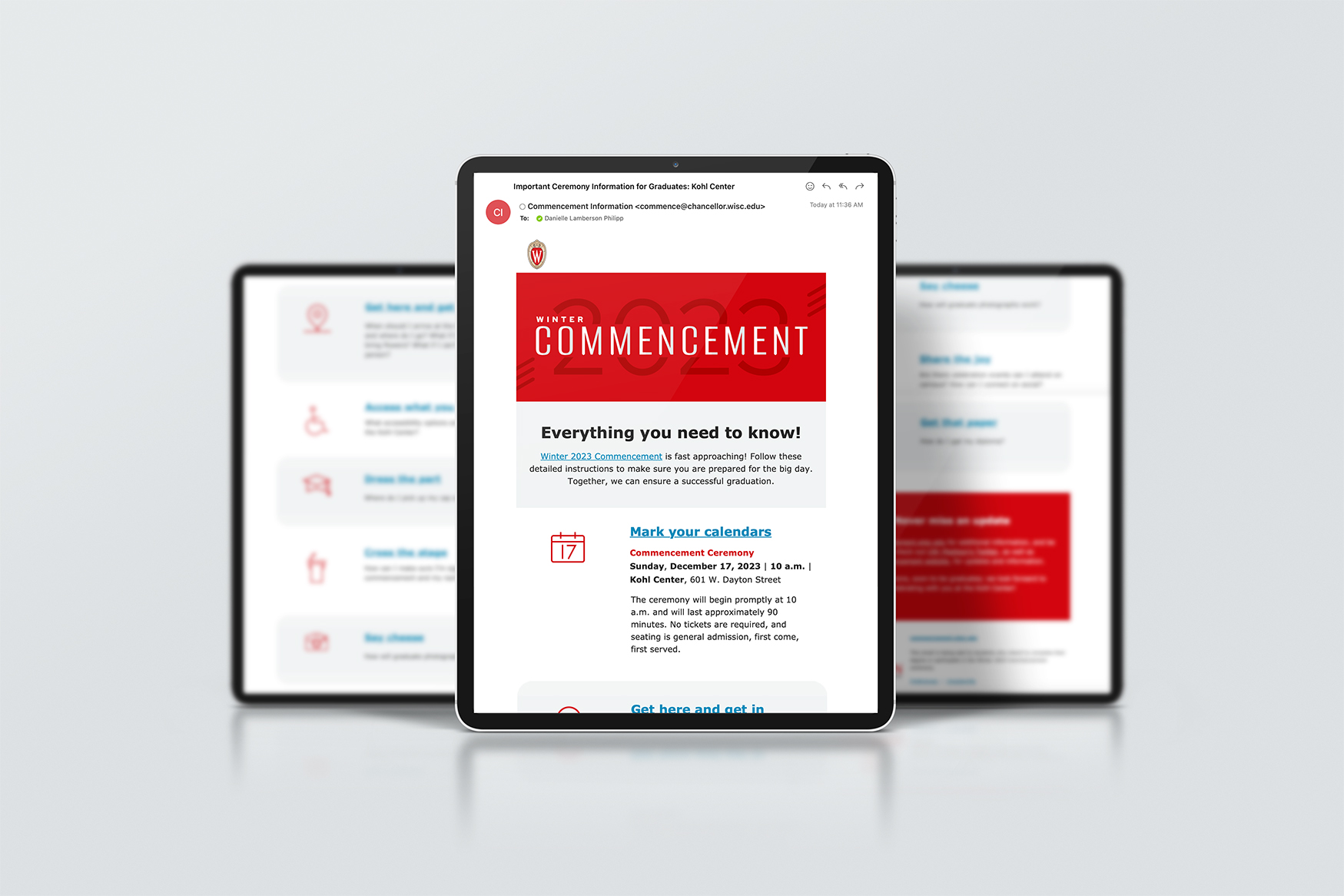
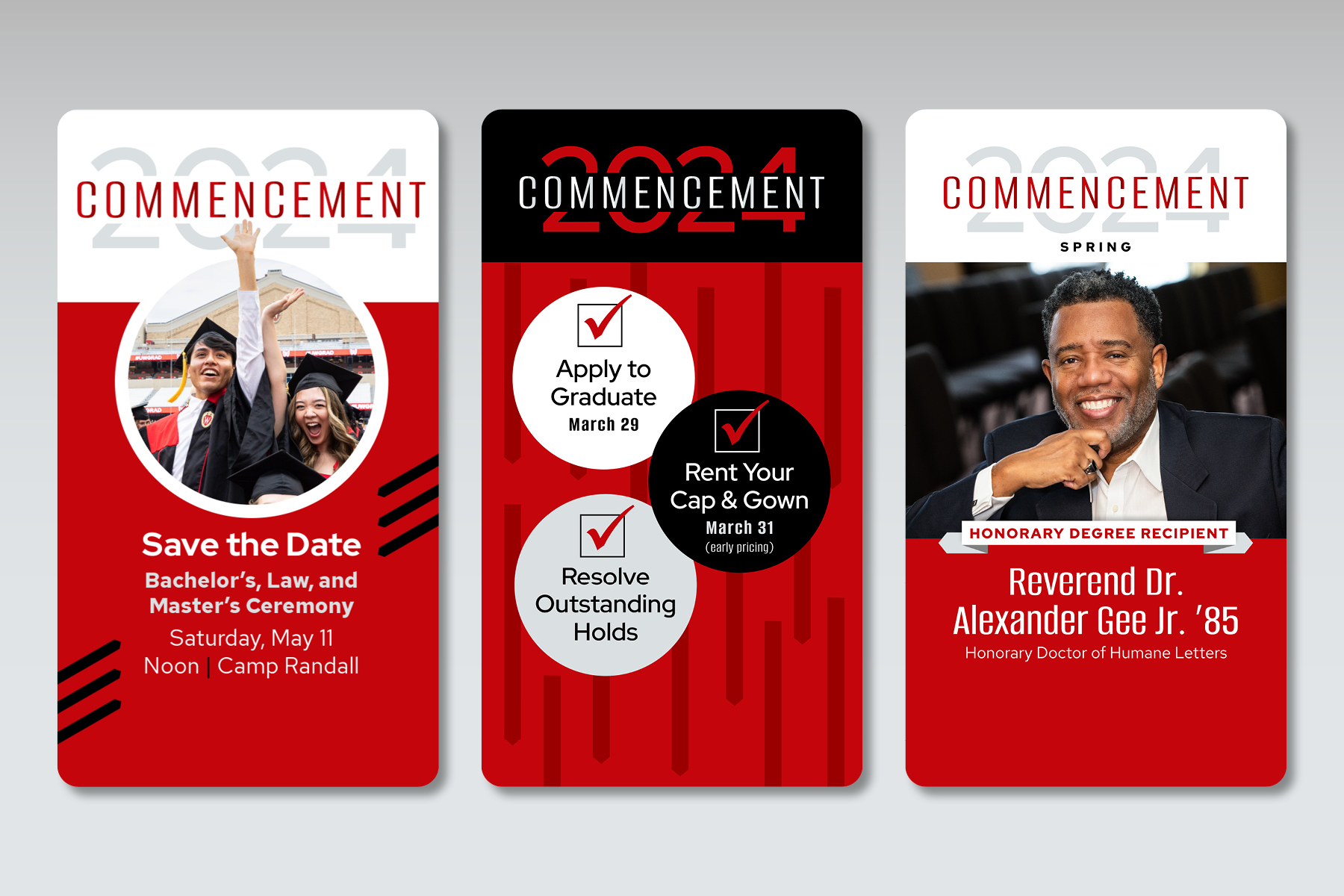
For something as big as this, every message has a job to do. Emails were kept short, direct, and visually organized. Relevant icons helped readers find key actions quickly, while consistent language made each new communication feel connected to the last.
Wayfinding people could trust
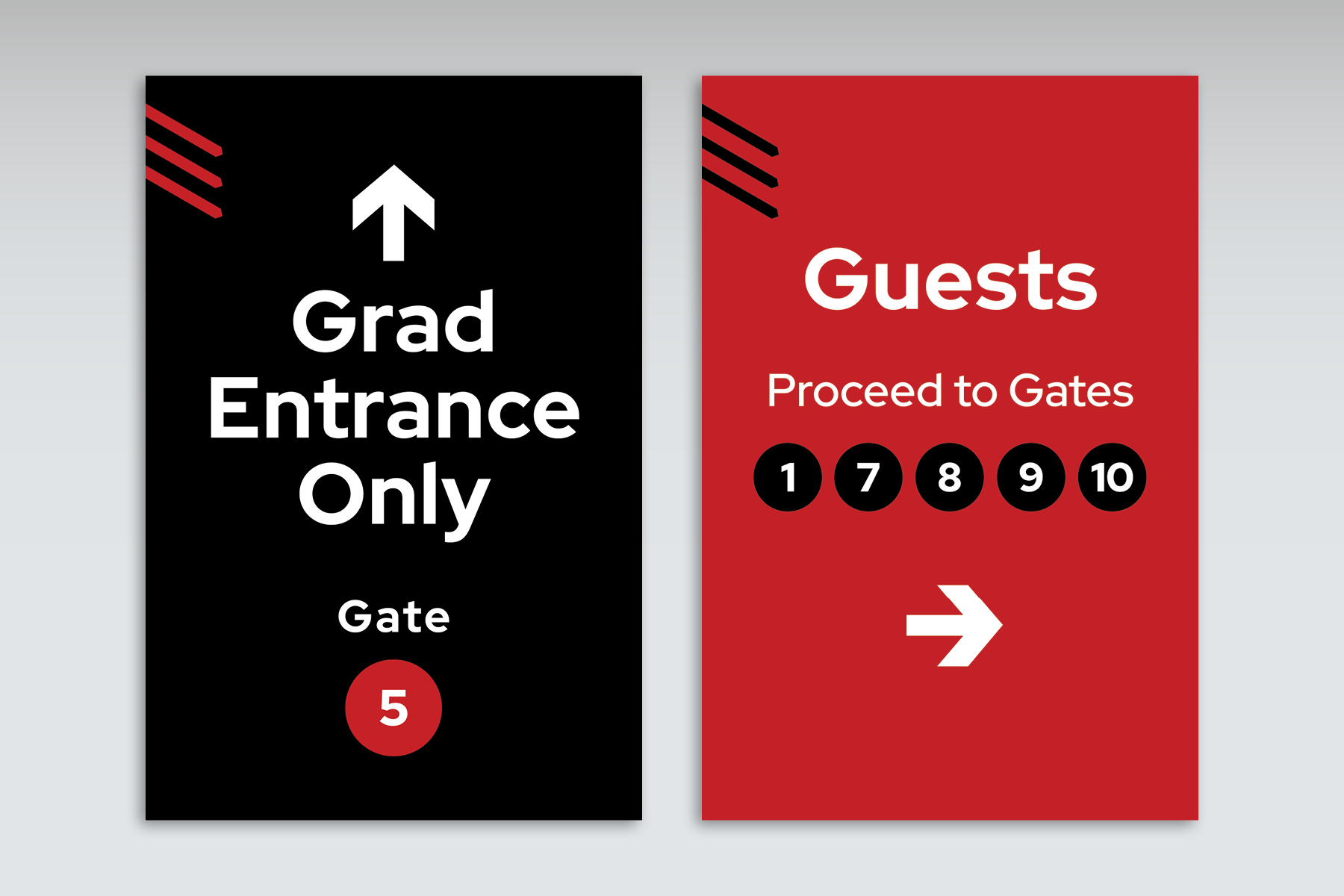
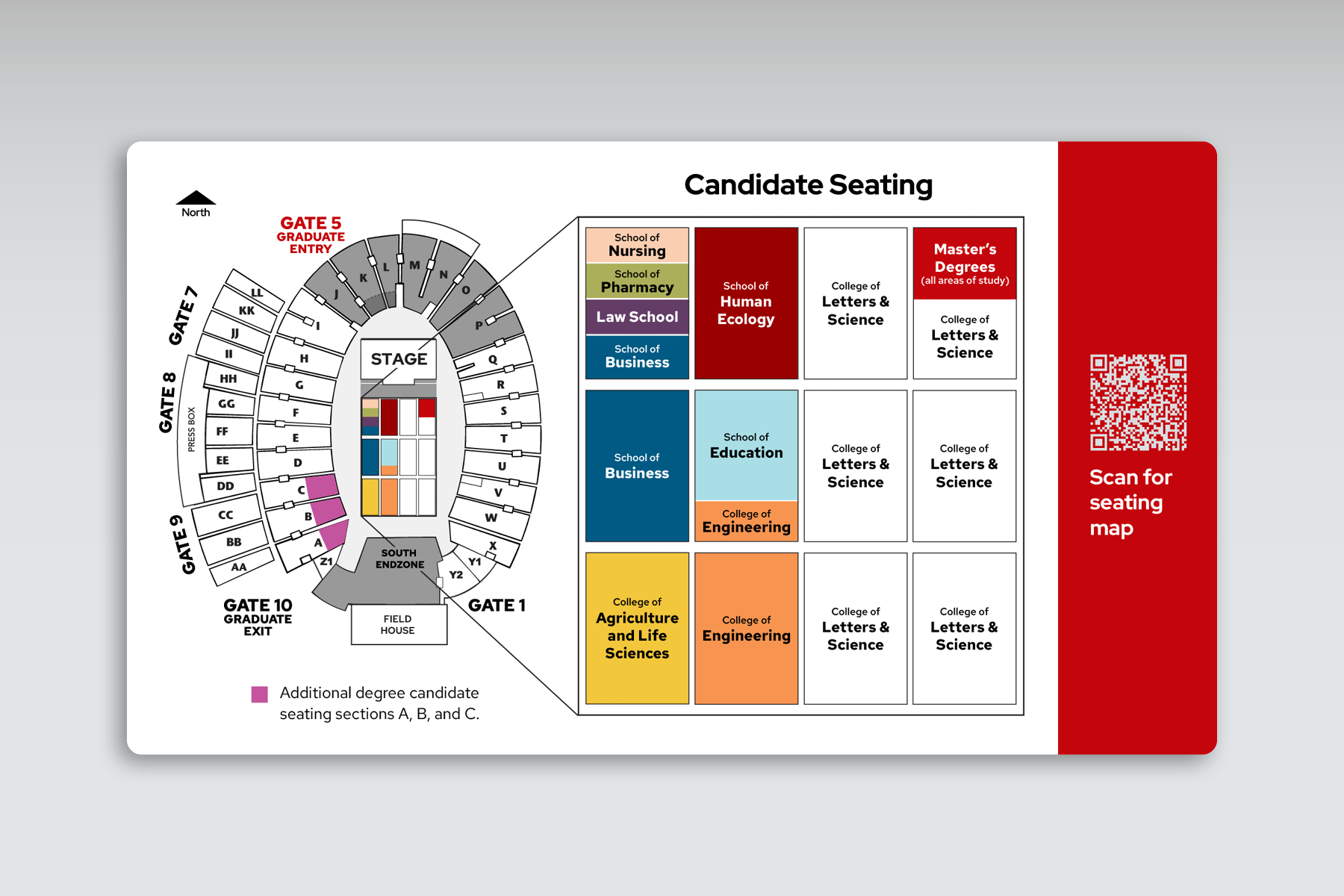
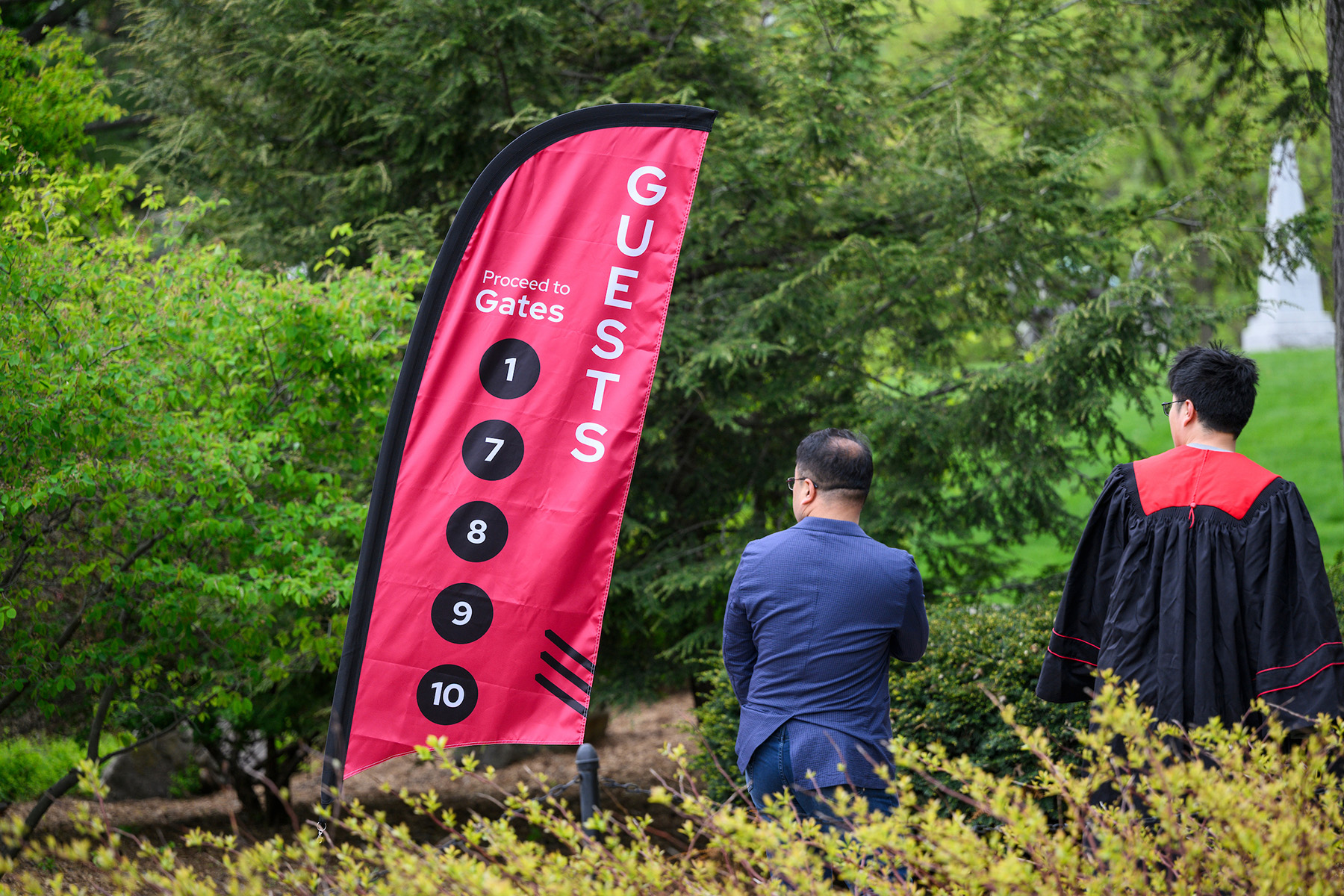
Signs used the commencement system to show that they belonged to the event and that their instructions were official. School and college identifiers were designed to be visible at a distance, helping people orient themselves as soon as they entered the space. A plain red sign might attract the eye. A deliberate, recognizable sign tells people, “Hey you; this is for you.”
Building blocks for speed and consistency
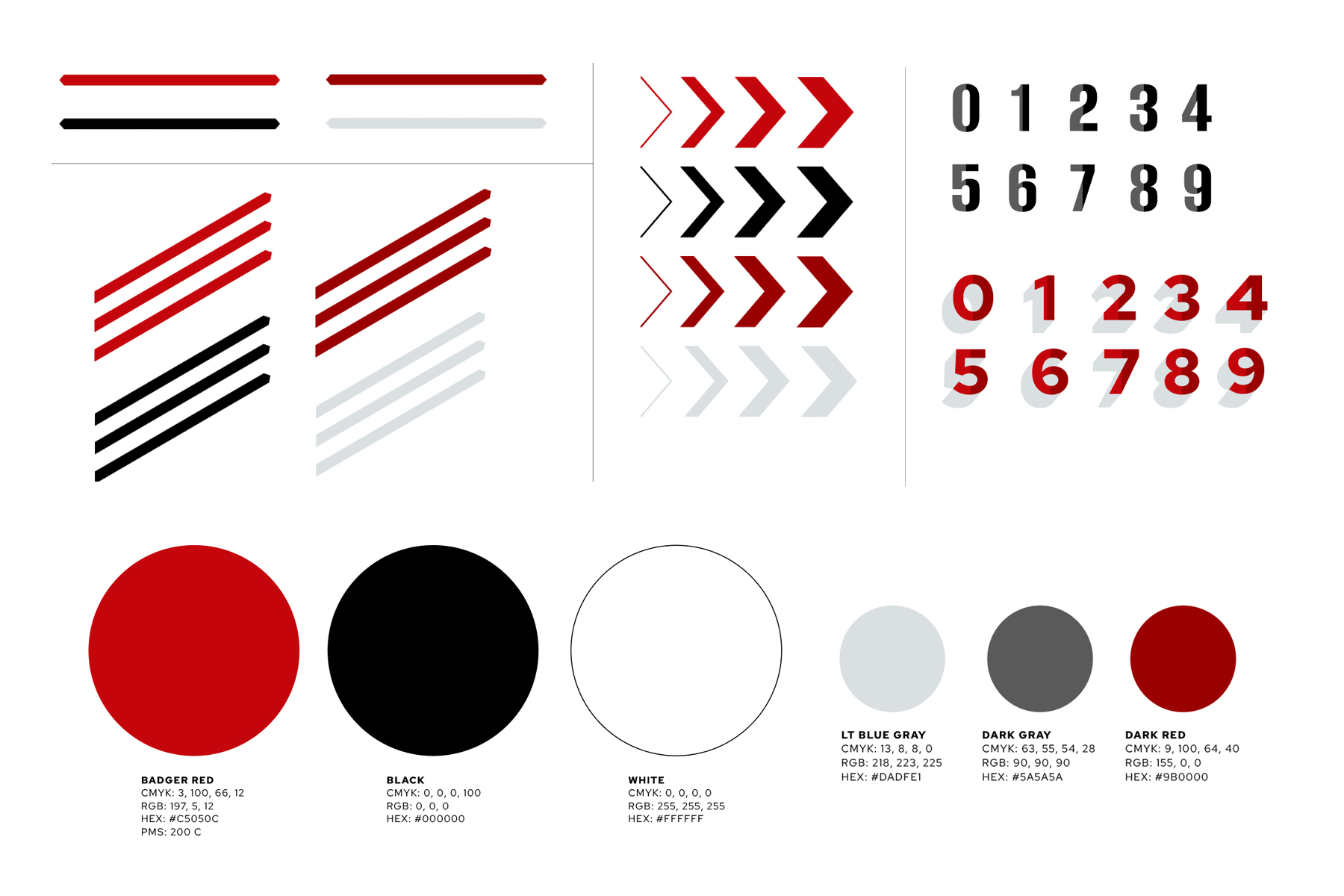
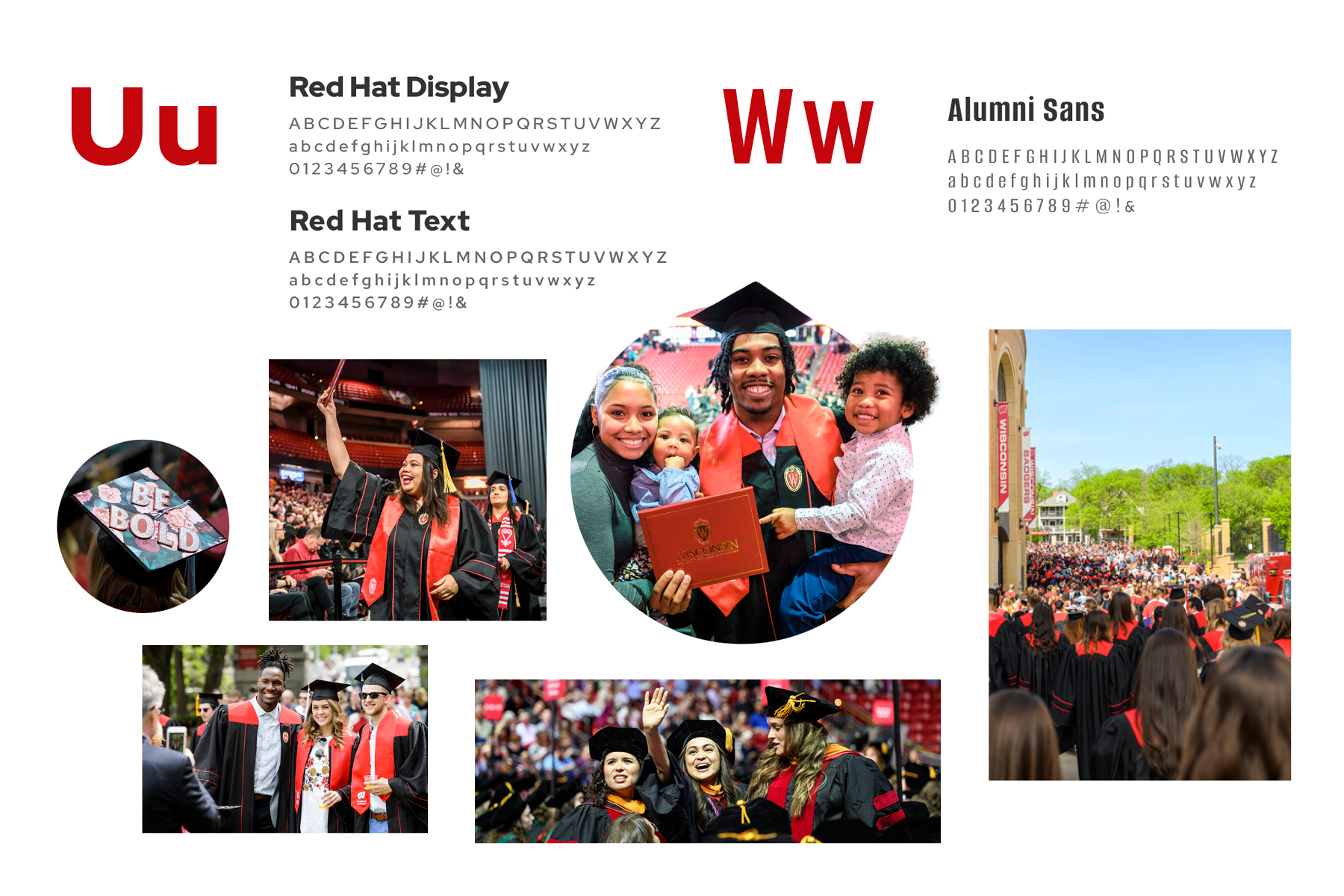
The internal toolkit turned the system into something people could use under pressure. Teams could create new materials quickly without rebuilding the brand from scratch or introducing unnecessary variation. Reusable elements also support more sustainable production from year to year.
Accessibility from the beginning
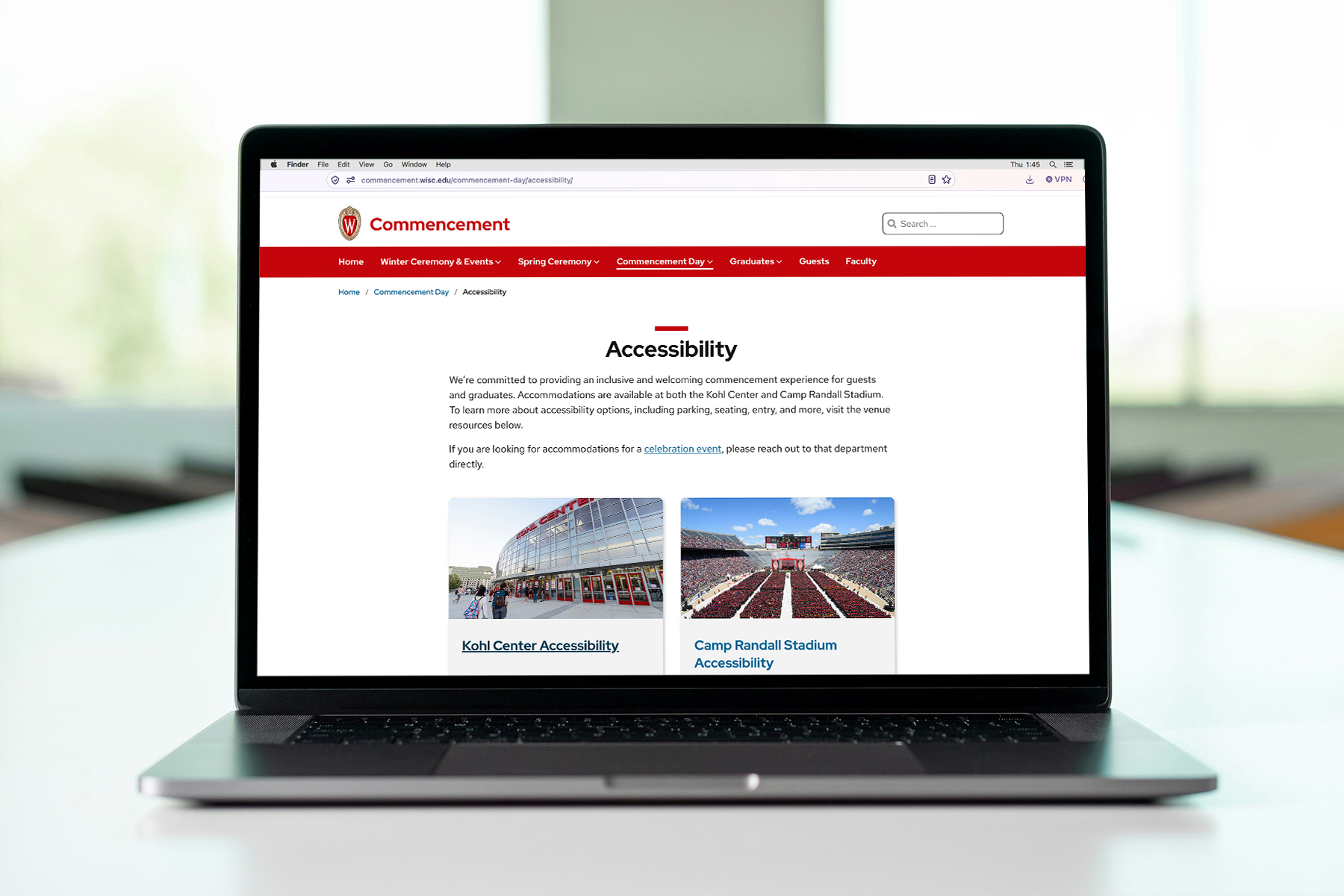
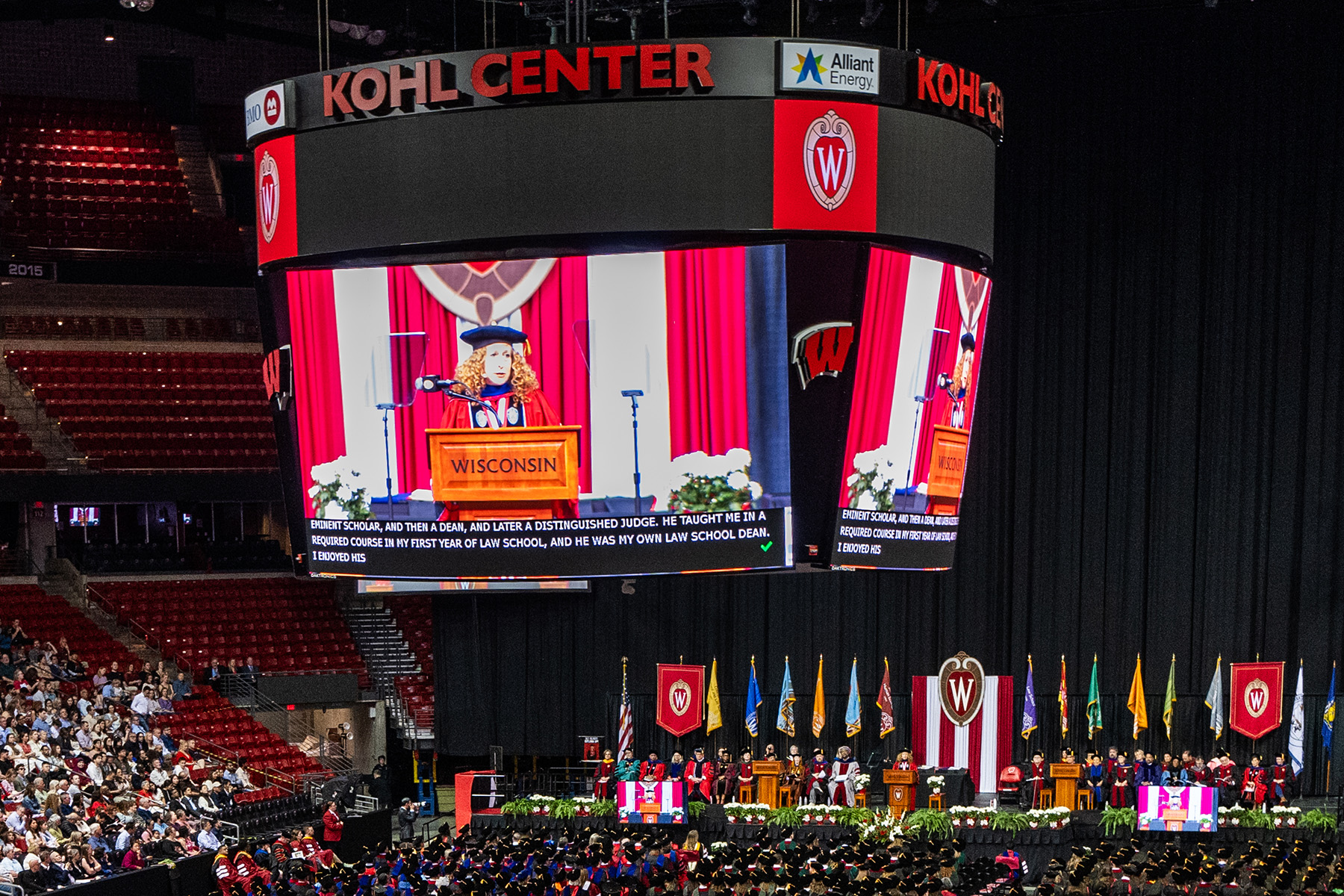
Accessibility was built into the communication and design process. Event captioning, an online program compatible with screen readers, and checks for color contrast, hierarchy, and type size helped more people get the information they needed in the form they needed it.
The lessons

Design is problem-solving
The strongest design choice may be the one that helps a family spot the correct entrance from half a block away. The strongest sentence may be the one a graduate understands in three seconds. Beauty matters, especially on a day this significant. But beauty can only be appreciated if the experience works. We’ll say it again: design isn’t decoration. Good design solves a problem and makes the solution worth looking at.

Organization is part of the creative work
A complex event does not become coherent through good taste alone. It requires a project structure that shows the full picture, clarifies ownership, and keeps a long approval chain moving. Project management is not separate from the creative result. It protects it. Without a good PM? You’re sunk.

Systems make room for surprises
Clear standards don’t make the work rigid. Instead, guardrails make quick decisions safer. When a late request arrives, the team is equipped with the visual language, key messages, and practical tools to respond without making every change into an emergency.

The best brand experience may feel effortless
Graduates and guests shouldn’t have to study the communication strategy (that’s our job). They should feel comfortable, cared for, and in-the-know. We want them to focus on the ceremony, their friends and loved ones, and the amazing milestone that just happened before their eyes. If the work behind that experience becomes invisible, it has done its job.
Making the invisible visible
Commencement shows what a brand system can do when it is designed around human behavior. A flood of details turns into a path people can follow. A huge team creates a single, recognizable experience. And an extraordinary day gets the care it deserves, right down to the sign that tells someone, “Hey you — this way.”